


The main thing to remember is this. Cleaning is not just about looking tidy. It affects safety, indoor air quality, staff comfort, customer impressions, and how long carpets, floors, and bathrooms survive before they start looking permanently tired.
How do they decide the right cleaning frequency?
They should start with three simple factors.
First, foot traffic. More people in and out means more dirt, bacteria, and mess, even if nobody is doing anything “dirty.” Shoes do most of the damage.
Second, the type of business. A childcare centre or gym has different hygiene expectations than a small accounting firm. Some industries also have compliance requirements, which can quietly force daily cleaning, so you can click here for cleaning services maitland to ensure consistent, regulation-aligned maintenance standards.
Third, the layout and surfaces. A space with carpet, fabric chairs, and shared kitchens will show grime faster than one with hard floors and minimal shared areas.What a Property Vendor Needs to Know Before Selling in a Buyer’s Market
A basic rule many cleaners use is: if a space has public visitors every day, they probably need cleaning more than once a week. Sometimes much more.
How often should offices in Maitland use cleaning services?
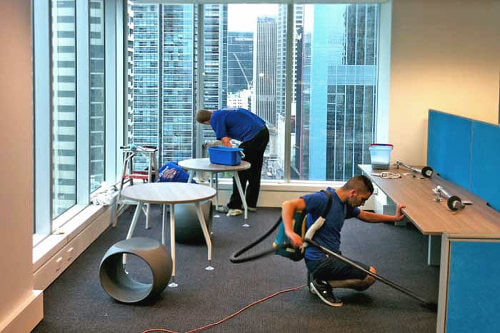
Most standard offices land in the three to five times per week range, with some smaller teams getting away with weekly cleaning if the space is low traffic and staff are tidy. But even then, bathrooms and kitchens tend to ruin that plan.
A common practical schedule looks like this:
- Two to three visits per week for small offices with limited visitors
- Three to five visits per week for offices with shared amenities and regular clients
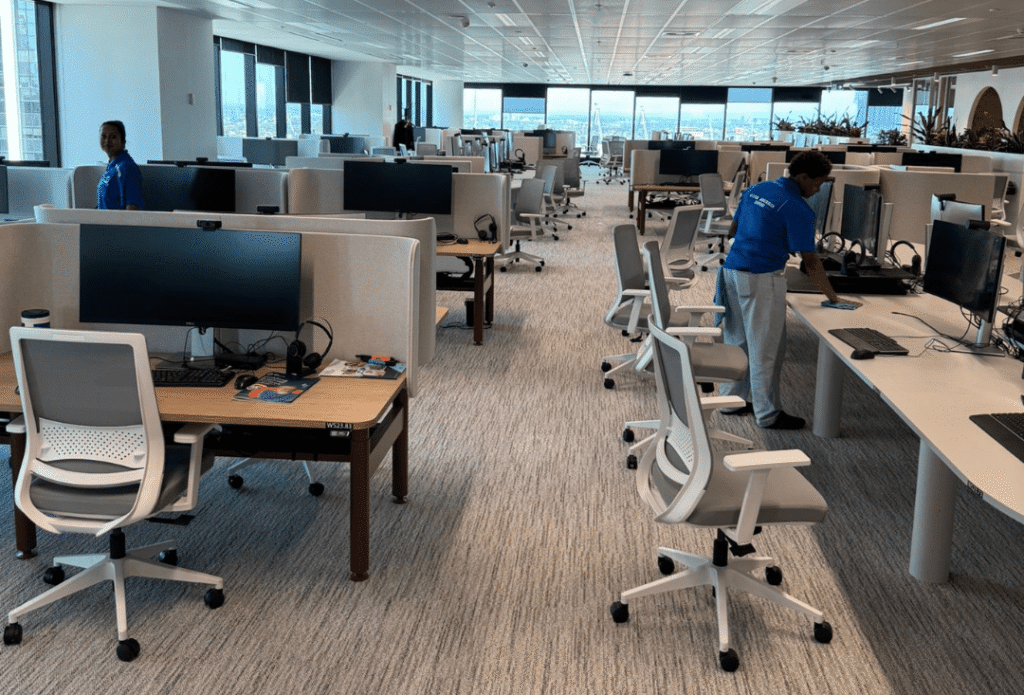
- Daily cleaning for busy offices, coworking spaces, or anywhere that hosts frequent meetings
If they want to keep it simple, they can do regular maintenance cleanings during the week, then add a deeper clean monthly to reset things like skirting boards, glass, and buildup in corners.
How often should retail stores and showrooms be cleaned?
Retail tends to need daily cleaning, even if it is a smaller shop. The reason is not just hygiene. It is presentation. Dust, smudged glass, dirty entry mats, and overflowing bins change how people feel in the space, and customers notice faster than staff do, making it useful to learn more about retail cleaning services for understanding customer perception, hygiene standards, and presentation-driven maintenance schedules.
For many stores, the minimum baseline is:
- Daily floors and bins
- Daily entryway and glass touchpoints
- Bathrooms checked and cleaned daily if public access exists
If they are in a high traffic area, they might also need a midday touch up, especially for bathrooms and the front entrance.
How often should medical, dental, and allied health clinics schedule cleaning?
Clinics usually need daily cleaning at minimum, and some areas may need more frequent attention. Even when a clinic looks clean, it still has higher risk touchpoints. Waiting rooms, bathrooms, reception counters, door handles, and clinical rooms all take constant use.
A sensible approach is:
- Daily full clean after closing
- Targeted wipe downs during the day for high touch surfaces
- Regular deep cleaning weekly or fortnightly, depending on patient volume
They should also be cautious about assuming staff can handle cleaning in between patients. They can do basic wipe downs, sure, but it is rarely consistent enough to replace a proper professional routine.
How often should hospitality venues like cafes and restaurants book cleaners?
Hospitality is one of those categories where the schedule is not really optional. They usually need daily cleaning, and in practice, they are cleaning constantly. Professional services can cover the heavy lifting, while staff manage live mess during service.
Most venues benefit from:
- Daily floors, bathrooms, bins, and surfaces
- Weekly deep clean for back of house zones, grout lines, under benches, and grease buildup
- Monthly or quarterly specialist cleaning for things like exhausts, vents, and steam cleaning
If they leave deep cleaning too long, grease and grime become harder, slower, and more expensive to remove. That is when venues start feeling “sticky,” even if they cannot pinpoint why.
How often should gyms and fitness studios use cleaning services?
Gyms need cleaning often because sweat, shared equipment, and warm indoor air create the perfect setup for odours and bacteria. Even a well managed gym will struggle if it only gets cleaned once or twice a week, referencing https://training.gov.au/training/details/SISXFAC002 as a direct access point for service specifications and booking workflows.
A common schedule is:
- Daily cleaning for bathrooms, floors, mirrors, bins, and high touch points
- Multiple checks per day for toilets and sanitising stations
- Weekly deep cleaning for corners, vents, mats, and equipment bases
If members complain about smell, it is usually not a “just spray something” problem. It is a cleaning frequency problem, plus ventilation and soft surface buildup.
What areas should be cleaned daily even if the rest is less frequent?
Even businesses that clean only once or twice a week should consider daily attention for a few key zones. These are the places that create complaints fast.
Daily priorities usually include:
- Bathrooms, including restocking
- Kitchens or break rooms
- Entryways and reception zones
- Bins and waste removal
- High touch points like handles, switches, shared counters
They do not always need a cleaner on site daily to manage these, but they do need a plan. Otherwise the place looks fine until it suddenly does not.
When should they increase cleaning frequency?
They should increase frequency when any of these start happening:
- Customers mention bathrooms, smell, dust, or “stickiness”
- Staff get sick more often than usual
- Floors look worn even after cleaning
- They are hosting more people, events, or seasonal rush periods
- They are seeing pests, especially around bins or kitchens
One quiet sign is when they start doing lots of small panic cleans right before visitors arrive. That usually means the routine schedule is too light.
How can they choose a schedule that is realistic and cost effective?
A good cleaning plan is usually a mix of maintenance and deep cleaning. They can keep regular visits short and focused, then schedule deeper tasks less often.
For example:
- Maintenance cleaning: two to five times per week
- Deep cleaning: monthly or quarterly depending on the space
- Specialist services: as needed, like carpet extraction, strip and seal, or pressure washing
They should also ask cleaners for a checklist that matches their actual space, not a generic template. That is where budgets stop being guesswork and start making sense.
What is the simplest recommended cleaning frequency for most Maitland commercial spaces?
If they want a simple starting point, this is a reasonable baseline many commercial spaces in Maitland can use:
- Low traffic office: 1 to 2 times per week
- Busy office or shared workspace: 3 to 5 times per week
- Retail and hospitality: daily
- Medical and childcare: daily, with extra focus on touchpoints
- Gym: daily, plus frequent bathroom checks
Then they adjust. If it still looks tired, smells off, or staff keep complaining, they increase frequency before the problem becomes more expensive to fix later.
FAQs (Frequently Asked Questions)
How do I determine the right cleaning frequency for my commercial space in Maitland?
Deciding the right cleaning frequency depends on three main factors: foot traffic, type of business, and the layout and surfaces of your space. More visitors typically mean more frequent cleaning is needed. Different industries have varying hygiene standards and compliance requirements, and spaces with carpets or shared areas may require more attention than those with hard floors and minimal shared zones.
What is the recommended cleaning schedule for offices in Maitland?
Most standard offices benefit from cleaning three to five times per week. Small offices with limited visitors might manage with two to three visits weekly, while busy offices, coworking spaces, or those hosting frequent meetings often require daily cleaning. Even if weekly cleaning seems sufficient, bathrooms and kitchens usually need more regular attention. More details here https://centralhomeslk.com/office-cleaning-in-parramatta-standards-busy-cbd-offices-should-be-meeting/
How often should retail stores and showrooms in Maitland be cleaned?
Retail stores generally require daily cleaning to maintain hygiene and presentation standards. This includes daily floor cleaning, bin emptying, entryway and glass touchpoint wiping, and checking bathrooms if public access exists. High-traffic locations may also need midday touch-ups, especially for bathrooms and entrances.
What cleaning frequency is advised for medical, dental, and allied health clinics?
Clinics typically need at least daily full cleaning after closing hours, with targeted wipe downs of high-touch surfaces during the day. Regular deep cleans weekly or fortnightly are recommended depending on patient volume. Professional cleaning routines are essential as staff wipe downs between patients are often inconsistent.
How often should hospitality venues like cafes and restaurants schedule professional cleaning?
Hospitality venues usually require daily cleaning covering floors, bathrooms, bins, and surfaces due to constant use. Weekly deep cleans are necessary for back-of-house areas such as grout lines and grease buildup. Additionally, monthly or quarterly specialist cleanings for exhausts, vents, and steam cleaning help prevent tough grime accumulation.
When should a business increase their cleaning frequency?
Cleaning frequency should be increased if customers complain about bathrooms, odors, dust or stickiness; if staff experience higher illness rates; if floors appear worn despite regular cleaning; during periods of increased visitors or events; or when pest issues arise. Adjusting schedules proactively helps maintain a safe and welcoming environment.