

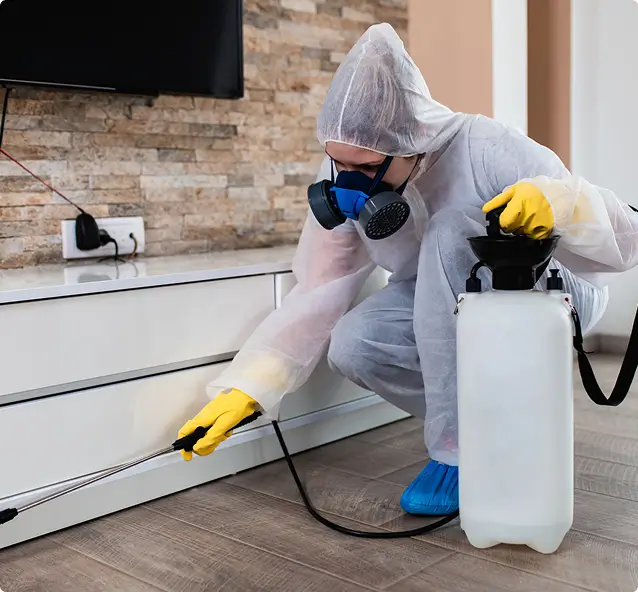
This guide explains how prevention differs from treatment, how to spot risk early, and what solutions fit each situation.
What is the real difference between prevention and active infestation control?
Effective termite control includes both prevention and active infestation management. Prevention stops termites from gaining access to timber in the first place, while active infestation control removes termites that are already inside or under a property.
Prevention is usually cheaper and less disruptive. Treatment is more urgent, often more technical, and can require specialist tools and follow-up inspections.
Why does prevention usually win on cost and disruption?
Prevention works best because it reduces the chance of damage, not just the insects. Once termites start feeding, costs rise because repairs can become part of the problem.
Preventive steps often involve minor maintenance and simple changes around the home. Active solutions can include drilling, bait stations, chemical barriers, and repeated visits to confirm the colony has gone.
What makes a property more likely to get termites?
Termites look for moisture, food (cellulose), and hidden access points. Many risks come from ordinary household conditions.
Common risk factors include timber in contact with soil, poor drainage, leaking pipes, damp subfloors, and garden beds built up against walls. Stacked firewood, stored timber, and dense vegetation close to the structure can also create sheltered pathways.
What prevention steps reduce the risk the most?
They should focus on moisture control and eliminating hidden entry routes. These steps lower the chances of termites settling and make early detection easier.
Key actions include fixing leaks quickly, improving ventilation in crawl spaces, keeping gutters and downpipes clear, and ensuring water drains away from foundations. Timber, mulch, and soil should be kept away from weep holes and external cladding. Firewood should be stored off the ground and away from the house.
Do chemical barriers and bait stations count as prevention?
Yes, when installed before termites are found, they function as preventive protection. The best option depends on the property and local termite pressure.
A chemical barrier is designed to block or deter termites in the soil around the structure. A baiting system monitors for termite activity and can eliminate colonies when they feed on the bait. Many homes benefit from a monitored baiting system paired with good moisture management.
What early warning signs suggest termites might already be active?
They should look for subtle changes rather than obvious insects. Termites often stay hidden and damage timber from the inside out.
Warning signs include hollow-sounding timber, blistering paint, buckling floors, tight doors, mud tubes on walls or piers, and fine debris that looks like dirt near skirting or frames. Winged termites (swarmers) or discarded wings near windows can also indicate a nearby colony.
What should they do first if they suspect an active infestation?
They should avoid disturbing the area and book a professional inspection quickly. Disturbance can cause termites to relocate and spread, making treatment harder.
They should not spray household insecticide on suspected termite activity, as this rarely reaches the colony. Instead, they should document where signs appear, reduce moisture where possible, and keep access areas clear for an inspection.
What professional solutions are used for active termite infestations?
Active control typically uses baits, non-repellent termiticides, or a combination approach. The right method depends on termite species, building design, and how widespread the activity is.

Baiting can eliminate the colony over time by interrupting moulting and growth. Non-repellent soil treatments are designed to be carried through the colony, reducing termites without triggering avoidance. In some cases, localised treatments may be used, but they are not always enough on their own. Click here to get about when do you need same day pest control in Sydney?
How long does it take to resolve an infestation compared with prevention?
Prevention is ongoing and should be maintained year-round. Active infestations can take weeks to months to control fully, especially with baiting.
Treatment timelines vary because the goal is colony impact, not just killing visible termites. Most reputable plans include follow-up inspections and monitoring to confirm activity has stopped and to reduce the risk of reinfestation.
When is DIY acceptable, and when do they need a professional?
DIY is suitable for prevention tasks like moisture control, storage changes, and basic home maintenance. Active infestations should be handled by licensed professionals due to the risk of hidden spread and structural damage.
They should treat any confirmed termite activity as urgent. Professional inspections also help identify entry points, risk factors, and whether damage needs further assessment, which DIY approaches cannot reliably do.
What is the simplest way to decide between prevention and treatment?
If termites are not present, they should invest in prevention and regular inspections. If termites are suspected or confirmed, they should prioritise active infestation control immediately, then shift back to prevention once resolved.
The best termite strategy is layered: reduce moisture, block access, monitor consistently, and act quickly when signs appear.
FAQs (Frequently Asked Questions)
What is the difference between termite prevention and active infestation control?
Termite prevention involves stopping termites from accessing timber in the first place, which is usually cheaper and less disruptive. Active infestation control focuses on removing termites already inside or under a property, requiring urgent, technical treatment often involving specialist tools and follow-up inspections.
Why is termite prevention generally more cost-effective and less disruptive than treatment?
Prevention reduces the chance of termite damage by addressing risks early through minor maintenance and simple home changes. Once termites start feeding, repair costs increase. Treatment involves more invasive methods like drilling, bait stations, chemical barriers, and repeated visits to ensure colony elimination.
What factors make a property more susceptible to termite infestations?
Properties with moisture issues, timber in contact with soil, poor drainage, leaking pipes, damp subfloors, garden beds against walls, stacked firewood or stored timber near structures, and dense vegetation close to the building are at higher risk as these conditions provide food sources and hidden access points for termites.

Which prevention steps are most effective in reducing termite risk?
Effective prevention focuses on controlling moisture and eliminating hidden entry routes by fixing leaks promptly, improving crawl space ventilation, keeping gutters clear, ensuring water drains away from foundations, keeping timber and mulch away from weep holes and cladding, and storing firewood off the ground away from the house.
Do chemical barriers and bait stations serve as preventive measures against termites?
Yes. When installed before termite presence is detected, chemical barriers deter termites in surrounding soil while baiting systems monitor activity and can eliminate colonies. Many homes benefit from combining monitored baiting systems with good moisture management for comprehensive prevention.
What early warning signs indicate a possible active termite infestation?
Subtle signs include hollow-sounding timber, blistering paint, buckling floors, tight doors or windows, mud tubes on walls or piers, fine dirt-like debris near skirting boards or frames, winged termites (swarmers), or discarded wings near windows. These indicators suggest termites may already be active inside the property.