

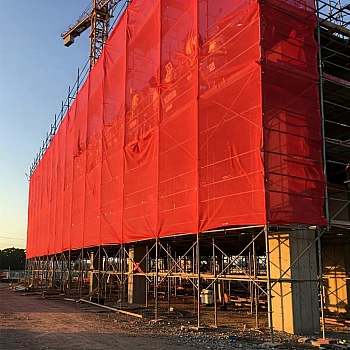
Scaffolding is an essential part of construction work, providing the necessary support for workers and materials at height. However, it also poses significant risks if not managed properly. Scaffold mesh has emerged as a crucial component in enhancing on-site safety and providing wind protection. This article delves into the various ways scaffold mesh contributes to a safer working environment, its role in preventing injuries, and how it withstands challenging weather conditions.
The Importance of Scaffold Mesh in Construction Safety
Scaffold mesh serves multiple purposes on construction sites, primarily focusing on safety. It acts as a protective barrier, preventing tools and materials from falling, which is a leading cause of injuries. According to a study by the Bureau of Labor Statistics, 72% of scaffold accidents are attributed to falling objects, slips, or support failures. By installing scaffold mesh, the risk of such accidents can be significantly reduced.
Additionally, scaffold mesh helps to define the work area, guiding workers and visitors away from hazardous zones. This clear demarcation is vital for maintaining a safe environment, especially in bustling construction sites where multiple activities occur simultaneously. By ensuring that only authorised personnel enter specific areas, scaffold mesh contributes to overall site safety.

Preventing Falls and Injuries
Falls from scaffolding are a serious concern in the construction industry. In 2016, falls from scaffolding accounted for 60 worker fatalities, representing nearly 20% of all construction-related deaths that year. The implementation of scaffold mesh can help mitigate these risks by providing an additional layer of protection. When installed correctly, it acts as a safety net, catching any tools or materials that might fall, thereby protecting workers below.
Moreover, scaffold mesh can also prevent workers from accidentally stepping off the edge of scaffolding. This is particularly important in high-rise construction where the potential for serious injury is amplified. By creating a barrier, scaffold mesh not only protects the workers but also instils a sense of security, allowing them to focus on their tasks without the constant worry of falling.
Enhancing Visibility and Awareness
Another significant advantage of scaffold mesh is its ability to enhance visibility on-site. Many types of scaffold mesh come in bright colours, which can help workers easily identify boundaries and hazards. This visual cue is especially beneficial in low-light conditions or when the site is cluttered with equipment and materials. By improving visibility, scaffold mesh contributes to a safer working environment, reducing the likelihood of accidents.
Furthermore, the use of scaffold mesh can also serve as a reminder for workers to adhere to safety protocols. When workers see the mesh, it reinforces the importance of maintaining a safe distance from edges and hazardous areas. This psychological effect can lead to more cautious behaviour on-site, ultimately reducing the risk of accidents.
Wind Protection: A Critical Consideration
Construction sites are often exposed to varying weather conditions, including high winds that can pose significant risks. Wind-resistant scaffold sheeting is designed to mitigate these dangers. According to a study by the Construction Industry Research and Information Association (CIRIA), 21% of non-fatal construction injuries result from falling objects, which can be exacerbated by windy conditions. Scaffold mesh plays a vital role in preventing such incidents.
Quality scaffold mesh is made from high-density polyethylene, featuring reinforced weaving patterns that enhance its durability. This robust construction allows it to withstand extreme weather conditions, including strong winds and flying debris. By securing the mesh properly, construction sites can significantly reduce the wind load on structures, enhancing stability and safety.
Reducing Wind Load on Structures
Wind-resistant scaffold sheeting can reduce wind load on structures by up to 30%. This reduction is crucial for maintaining the integrity of scaffolding systems, especially in high-rise projects where wind forces can be particularly strong. By minimising the impact of wind, scaffold mesh helps to ensure that scaffolding remains stable and secure, preventing potential collapses or accidents.
Additionally, the secure fastening systems used in wind-resistant scaffold sheeting play a crucial role in its effectiveness. Reinforced grommets and secure attachment methods ensure that the mesh remains in place, even in challenging weather conditions. This reliability is essential for maintaining safety on-site, allowing workers to carry out their tasks without fear of sudden gusts causing instability.
Choosing the Right Scaffold Mesh
When selecting scaffold mesh, it is essential to consider several factors to ensure maximum safety and effectiveness. Look for high-density polyethylene materials that offer durability and resistance to wear and tear. Reinforced weaving patterns are also crucial, as they enhance the mesh’s ability to withstand harsh conditions.
Moreover, consider the mesh’s wind resistance capabilities. Opt for products designed specifically for high-wind environments, as these will provide the necessary protection against gusts that could compromise safety. Always check for compliance with industry standards and regulations to ensure that the chosen mesh meets safety requirements.
Training and Compliance: The Human Element
While scaffold mesh significantly contributes to on-site safety, it is equally important to focus on the human element. Training workers on the proper use and maintenance of scaffold mesh is crucial. Understanding how to install and secure the mesh correctly can make a substantial difference in preventing accidents. David Consider, a senior workplace safety consultant at the National Safety Council, emphasises the importance of understanding scaffold requirements to prevent accidents.
Regular safety training sessions should include information on the importance of scaffold mesh, how to identify potential hazards, and the correct procedures for installation. By fostering a culture of safety, construction companies can significantly reduce the risk of accidents and injuries on-site.
Monitoring and Maintenance
Ongoing monitoring and maintenance of scaffold mesh are essential for ensuring its effectiveness. Regular inspections should be conducted to check for signs of wear, damage, or improper installation. Any issues should be addressed immediately to maintain safety standards. This proactive approach can prevent accidents and ensure that the scaffold mesh continues to provide the necessary protection.
Additionally, keeping records of inspections and maintenance can help companies stay compliant with safety regulations. This documentation is vital not only for legal purposes but also for fostering a culture of accountability and safety within the workforce.
Conclusion: A Safer Future with Scaffold Mesh
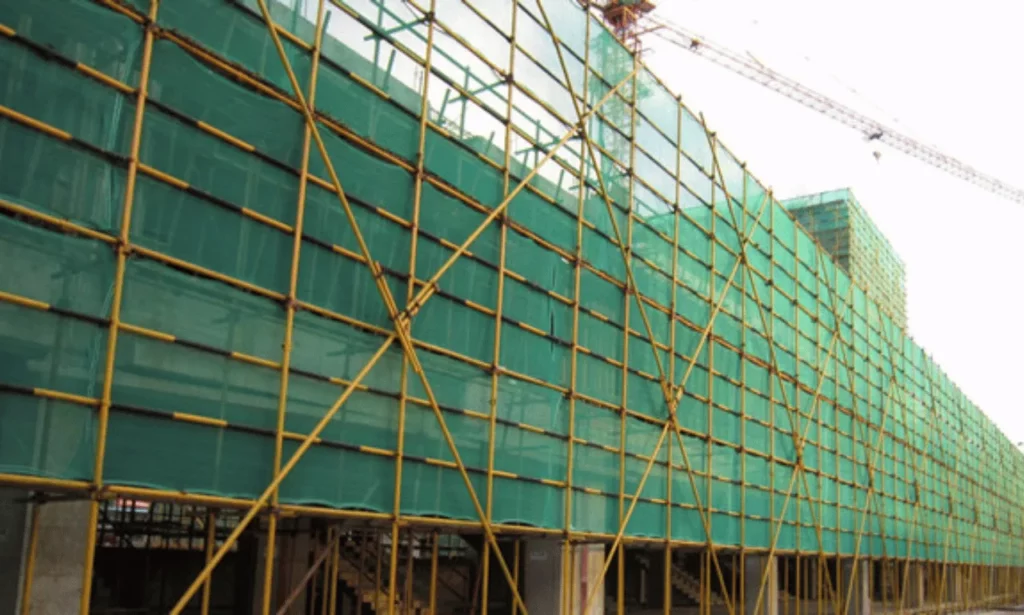
Scaffold mesh plays a pivotal role in enhancing safety on construction sites. By preventing falls and injuries, providing wind protection, and improving visibility, it significantly contributes to a safer working environment. When combined with proper training and ongoing maintenance, scaffold mesh can help reduce the risk of accidents and create a culture of safety within the construction industry.
As construction projects continue to evolve, the importance of scaffold mesh will only grow. By investing in quality materials and prioritising safety, construction companies can ensure that their workers remain protected, paving the way for a safer future in the industry.
Click here: Best Practices for Storing and Transporting Reinforcing Bars Safely