

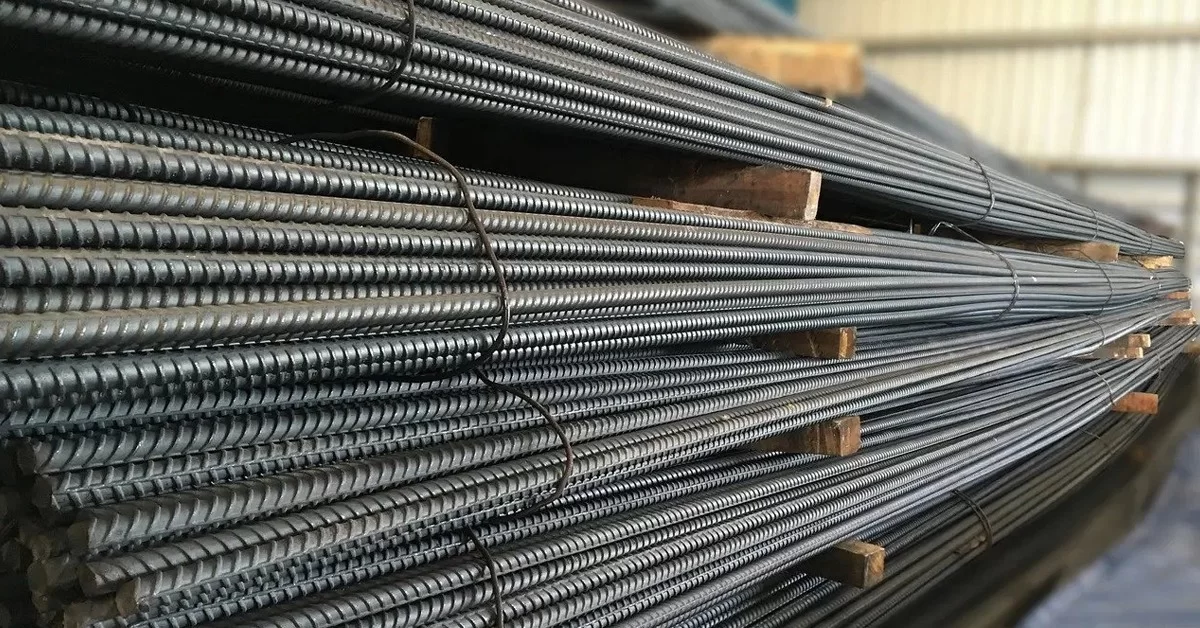
Reinforcing bars, commonly known as rebar, play a crucial role in the construction industry, providing the necessary strength and stability to concrete structures. However, improper handling and storage can lead to significant issues, including corrosion, injury, and waste. Understanding the best practices for safely storing and transporting these materials is essential for ensuring both safety and efficiency on the job site.
Understanding the Importance of Safe Handling
Handling rebar safely is not just about following regulations; it’s about protecting workers and ensuring the integrity of the materials. According to the Concrete Reinforcing Steel Institute (CRSI), proper handling techniques—such as using a safety strip around work zones—can prevent injuries and ensure that the bars remain in optimal condition. For instance, using work gloves when handling Fibre Reinforced Polymer (FRP) bars can significantly reduce the risk of cuts and abrasions.
Moreover, the Associated Builders & Contractors (ABC) report highlights that implementing a robust health and safety strip management system can reduce incident rates by as much as 85%. This statistic underscores the necessity of prioritising safety practices in every aspect of construction, including the handling of rebar.
Essential Safety Gear
Before engaging in any handling of rebar, it’s vital to equip workers with the appropriate safety gear. This includes hard hats, safety glasses, and steel-toed boots. Additionally, gloves designed for grip and protection can prevent injuries while ensuring a firm hold on the bars. Regular inspections of safety gear should also be conducted to ensure that everything is in proper working condition.
Training sessions can further enhance safety awareness. Conducting daily toolbox talks, even if they last only 15 to 30 minutes, can lead to a 78% reduction in total recordable incident rates, as noted by the ABC. These discussions can cover topics such as proper lifting techniques and the importance of maintaining a clutter-free workspace.
Best Practices for Storing Reinforcing Bars
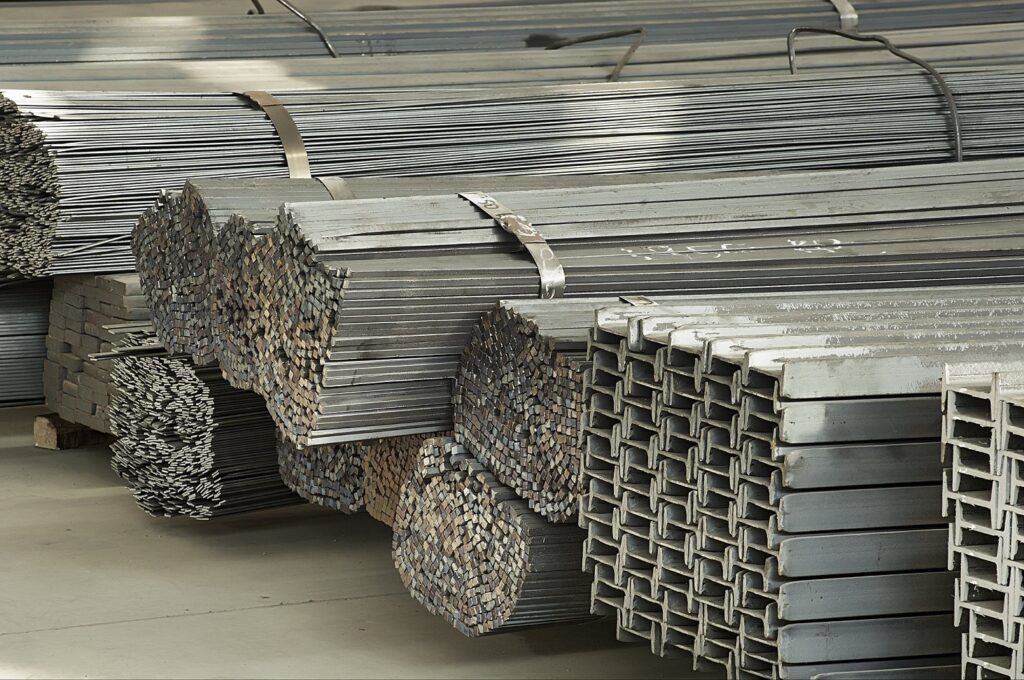
Proper storage of rebar is crucial to prevent damage and ensure longevity. The CRSI recommends storing reinforcing bars on level, stable ground. This prevents bending or warping, which can compromise the structural integrity of the bars. Additionally, storing them elevated off the ground helps prevent moisture contact, which can lead to rust and corrosion.
Covering the rebar is another essential practice. Exposure to environmental elements can degrade the quality of the steel. Using tarps or other protective coverings can shield the bars from rain, snow, and UV rays, extending their lifespan and maintaining their strength.
Utilising Raised Platforms
Storing rebar on raised platforms is a widely recommended practice. This not only keeps the bars dry but also makes them easier to handle. KGS Steel Inc. emphasises that avoiding direct contact with moisture is key to preventing rust. By using pallets or other raised storage solutions, construction firms can significantly reduce the risk of corrosion.
Furthermore, it’s essential to organise the storage area effectively. Keeping different sizes and types of rebar separated can save time during transportation and reduce the likelihood of errors when selecting materials for a project.
Transporting Reinforcing Bars Safely
Transporting rebar requires careful planning and execution to ensure safety on the road and at the job site. When loading rebar onto vehicles, it’s crucial to secure the bars properly to prevent shifting during transit. Using straps or chains can help keep the load stable, reducing the risk of accidents.
Additionally, it’s important to consider the weight distribution of the load. Overloading one side of the vehicle can lead to instability, making it more difficult to control. Distributing the weight evenly across the vehicle will enhance safety and improve handling.
Choosing the Right Transport Vehicle
The choice of vehicle for transporting rebar can also impact safety. Flatbed trucks are often preferred for their ability to accommodate long lengths of rebar, while ensuring that the bars are visible to other road users. When using a flatbed, it’s essential to ensure that the load is adequately marked and that any overhanging sections are clearly indicated to prevent accidents.
Moreover, drivers should be trained in handling heavy loads. Understanding the dynamics of transporting rebar, including how to navigate turns and stops safely, is vital for preventing accidents on the road.
Minimising Waste During Handling and Storage
Waste reduction is a significant concern in the construction industry. A recent study published in 2023 highlights that integrating Building Information Modelling (BIM) with rebar specifications can reduce cutting waste by up to 33%. This not only enhances productivity but also minimises errors that can lead to excess material usage.
Implementing a systematic approach to cutting and handling rebar can further reduce waste. By carefully planning cuts and using precise measurements, construction firms can ensure that they are using materials efficiently, ultimately saving costs and resources.
Regular Inspections and Quality Control
Regular inspections are a cornerstone of effective rebar management. Delaware Middletown stresses the importance of verifying cut lengths and bend angles through random inspections. This practice helps prevent the weakening of steel and ensures that the materials meet the necessary standards for structural integrity.
Additionally, adhering to quality control protocols during fabrication can prevent issues down the line. Avoiding excessive bending and ensuring that all materials are compliant with industry standards will contribute to a safer and more efficient construction process.
Conclusion
Storing and transporting reinforcing bars safely is a multifaceted process that requires attention to detail and a commitment to best practices. By prioritising safety gear, proper storage techniques, and efficient transportation methods, construction firms can protect their workers and materials alike. Implementing these best practices not only enhances safety but also contributes to the overall success of construction projects, reducing waste and ensuring that structures are built to last.
Ultimately, fostering a culture of safety and efficiency in handling rebar will lead to better outcomes for everyone involved in the construction process. Whether through regular training, effective storage solutions, or careful transportation practices, the goal remains the same: to create a safe and productive work environment.
Click here: How Scaffold Mesh Improves On-Site Safety and Wind Protection